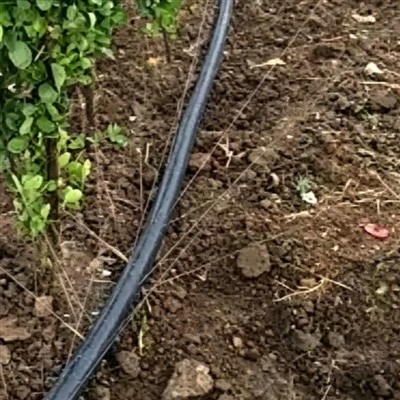

Hey everyone! As a Landscape Micro Spray Hose supplier, I've seen a lot of issues that customers face, especially when winter rolls around. One of the most common problems is the freezing of these hoses. It's not just a minor annoyance; it can actually damage the hoses and mess up your entire landscape irrigation system. So, in this blog post, I'm gonna share some tips on how you can prevent your landscape micro spray hose from freezing in winter.
Understanding Why Hoses Freeze
First things first, let's talk about why hoses freeze in the first place. Water expands when it freezes. When there's water left inside the micro spray hose and the temperature drops below freezing, that water turns into ice and expands. This expansion can put a lot of pressure on the hose walls, causing them to crack or burst. And once your hose is damaged, it's pretty much useless for proper irrigation.
Drain the Hose Completely
The simplest and most effective way to prevent freezing is to drain the hose thoroughly. Before the first hard frost hits, turn off the water supply to the micro spray hose. Then, open all the valves and let the water run out. You can also gently squeeze the hose in sections to help force out any remaining water. Make sure to get rid of every last drop because even a small amount of water can cause problems when it freezes.


If your landscape micro spray hose is connected to a complex irrigation system, you might need to use an air compressor to blow out the remaining water. Connect the air compressor to the hose and use it to force air through the system. This will push out any water that's still trapped inside. Just be careful not to use too much pressure, as that can damage the hose.
Disconnect and Store the Hose Properly
Once the hose is completely drained, disconnect it from the water source and any other fittings. Coil the hose up neatly and store it in a warm, dry place. A garage or a storage shed works great. Avoid leaving the hose outside or in an unheated area, as it can still freeze even if it's drained.
When coiling the hose, don't make the loops too tight. Tight loops can cause kinks, which can damage the hose over time. Instead, make loose, even loops and secure them with a hose hanger or a strap.
Insulate the Hose
If you can't or don't want to disconnect the hose, you can insulate it to protect it from the cold. There are several ways to do this. One option is to use foam pipe insulation. You can buy this at your local hardware store. Cut the insulation to the right length and wrap it around the hose. Make sure to cover the entire length of the hose, including any connections and valves.
Another option is to use heat tape. Heat tape is a special type of electrical tape that generates heat. You can wrap the heat tape around the hose and plug it in. This will keep the hose warm and prevent the water inside from freezing. Just make sure to follow the manufacturer's instructions when using heat tape, as improper use can be dangerous.
Use a Freeze-Resistant Hose
When it comes to preventing freezing, using a freeze-resistant hose is a no-brainer. These hoses are designed to withstand cold temperatures without cracking or bursting. They're usually made from materials that are more flexible and durable in the cold.
As a Landscape Micro Spray Hose supplier, I can recommend some great freeze-resistant options. For example, our Greenhouse Micro Spray Tape is made from high-quality materials that can handle cold weather. It's also very efficient at delivering water to your plants, making it a great choice for any landscape.
Our Micro Sprinkler Tape is another excellent option. It's designed to be resistant to freezing and clogging, so you can be sure it will work well even in the winter.
Keep the Water Flowing
If you live in an area where the temperatures don't drop too low, you might be able to keep the water flowing through the hose to prevent freezing. This is called the "trickle method." Just turn on the water supply to a very low flow rate so that the water is constantly moving through the hose. Moving water is less likely to freeze than standing water.
However, this method isn't suitable for extremely cold temperatures. If the temperatures are going to be below freezing for an extended period, it's still best to drain and store the hose.
Check the Hose Regularly
Even if you've taken all the necessary precautions, it's still a good idea to check the hose regularly during the winter. Look for any signs of damage, such as cracks or leaks. If you notice any problems, fix them as soon as possible.
Also, if you're using insulation or heat tape, make sure it's still in good condition. Check for any signs of wear or damage, and replace it if necessary.
Conclusion
Preventing the freezing of a landscape micro spray hose in winter is all about being proactive. By draining the hose, storing it properly, insulating it, using a freeze-resistant hose, keeping the water flowing, and checking it regularly, you can ensure that your hose stays in good condition and works well when you need it.
If you're in the market for a high-quality landscape micro spray hose or any other irrigation equipment, don't hesitate to reach out. We offer a wide range of products, including Vegetable Field Micro Spray Tape, Anti-Clogging Micro Spray Tape, and PE Micro Sprinkler Tape. We'd be happy to help you find the right solution for your needs.
References
- "Winterizing Your Irrigation System." Irrigation Association.
- "Preventing Frozen Pipes." U.S. Department of Energy.