- Me: Hey! It's so great catching up with you. How are things going with the tomato farms back home in Algeria? I know you guys have been dealing with some tough water shortages.
- Algerian Friend: Hey! Yeah, it's been a journey, but things are actually looking really good now. For a long time, our vast arid and semi-arid farmlands really struggled with uneven irrigation. It was limiting the quality of our local tomatoes, which are a huge cash crop for us. But in recent years, drip irrigation has completely changed the game for us.
- Me: Oh, really? I remember you mentioning how traditional flood irrigation was causing issues.
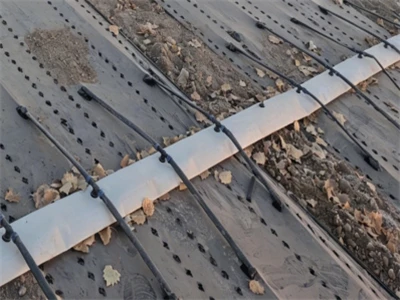
- Algerian Friend: Exactly! Flood irrigation was just wasting massive volumes of water, causing soil salinization, and making the soil moisture super inconsistent. Plus, the fungal disease risks were high, and the tomatoes would grow all irregularly. But now, we've switched to using drip tape across many of our farms in northern Algeria, and the planting patterns have improved remarkably.
- Me: That's awesome. So, how exactly is the drip tape helping out?
- Algerian Friend: Well, with drip irrigation, we deliver water and liquid fertilizer directly to the root zone of the tomato plants. It drastically reduces evaporation and runoff, and we can manage fertigation so much more consistently. The growers are telling me that this drip tape system cuts water consumption by around 50%! It also reduces fertilizer usage and lowers leaf disease rates.

- Me: Wow, 50% less water? That's a huge saving. Are the tomatoes better, too?
- Algerian Friend: Absolutely. The uniformity, sweetness, and shelf life of the tomatoes have significantly improved. The steady moisture environment even extends our harvest cycle and boosts overall yields. Now, our farmers can supply high-quality tomatoes to local markets and even cross-border export chains. Actually, our factory's drip tape is widely adopted in these plantations now.
- Me: That's great to hear! I know your climate can be harsh. How does the drip tape hold up?
- Algerian Friend: It's designed specifically for our hot, high-salinity soil and climate conditions. It's durable, anti-clogging, and UV-resistant. It features precise emitter spacing and uniform water flow. Plus, it's really easy to lay and recover in the field, with excellent long-term stability in harsh weather.
- Me: That sounds like a perfect fit. It's amazing to see how drip irrigation continues to support sustainable commercial horticulture across North Africa.
-Algerian Friend: It really is. Whether it's a drip tape or a micro-sprinkling hose, these technologies are solving our core pain points of water shortage and soil degradation. They are truly building a foundation for stable local food production and agricultural exports for us.