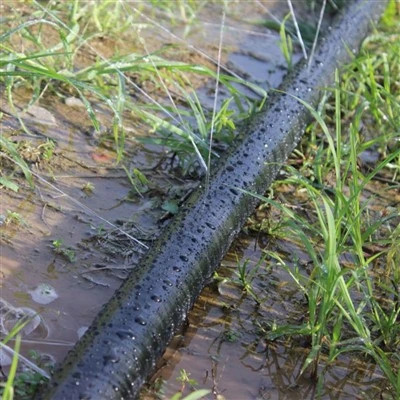

Ensuring even water distribution with a micro - sprinkling hose is crucial for effective irrigation. As a supplier of micro - sprinkling hoses, I understand the importance of this aspect and have gained in - depth knowledge over the years. In this blog, I will share some key strategies and considerations to achieve uniform water distribution.
Understanding the Micro - Sprinkling Hose
Before delving into how to ensure even water distribution, it is essential to understand the different types of micro - sprinkling hoses available. We offer a variety of products, including the Landscape Micro Spray Hose, Long Life Micro Spray Tape, Perforated Tape, Greenhouse Micro Spray Tape, and Micro Sprinkler Main Layflat Hose. Each type has its own unique features and is suitable for different applications.
The Landscape Micro Spray Hose is often used for outdoor landscapes, such as gardens and lawns. Its design allows for a gentle and widespread water spray, mimicking natural rainfall. The Long Life Micro Spray Tape is known for its durability, making it a great choice for long - term irrigation in large agricultural fields. The Perforated Tape has evenly spaced holes that release water in a consistent pattern, ideal for row - crop irrigation. The Greenhouse Micro Spray Tape is designed to meet the specific needs of greenhouse environments, where precise water control is essential. And the Micro Sprinkler Main Layflat Hose serves as the main conduit for water supply in a micro - sprinkling system.
Factors Affecting Water Distribution
Several factors can influence the evenness of water distribution in a micro - sprinkling hose system.
Water Pressure
Water pressure plays a vital role. If the pressure is too low, the water may not reach the end of the hose, resulting in uneven distribution. On the other hand, excessive pressure can cause the water to spray too forcefully, leading to water wastage and uneven coverage. It is recommended to maintain a consistent water pressure within the range specified by the hose manufacturer. A pressure regulator can be installed to ensure that the pressure remains stable throughout the irrigation process.
Hose Length
The length of the micro - sprinkling hose also affects water distribution. As the water travels through the hose, there is a natural drop in pressure. Longer hoses are more prone to this pressure drop, which can lead to less water being delivered at the far end. To mitigate this issue, it is advisable to limit the length of the hose according to the manufacturer's guidelines. If a longer irrigation area needs to be covered, multiple shorter hoses can be connected in parallel or series, depending on the system design.
Hole Size and Spacing
The size and spacing of the holes in the micro - sprinkling hose determine how the water is dispensed. Smaller holes generally result in a finer spray, while larger holes produce a more intense stream. The spacing between the holes affects the coverage area. If the holes are too far apart, there may be dry spots between the spray patterns. Conversely, if they are too close, the water may overlap, causing waterlogging in some areas. It is crucial to choose a hose with the appropriate hole size and spacing based on the type of plants being irrigated and the soil conditions.


Hose Installation
Proper installation of the micro - sprinkling hose is essential for even water distribution. The hose should be laid on a flat surface to ensure that the water flows smoothly. Any kinks or twists in the hose can disrupt the water flow and cause uneven distribution. Additionally, the hose should be leveled to prevent water from pooling at one end. When installing multiple hoses in a system, they should be connected securely to avoid leaks, which can also affect the water distribution.
Strategies for Ensuring Even Water Distribution
Pre - Installation System Design
Before installing the micro - sprinkling hose, a detailed system design should be developed. This includes calculating the water requirements of the area to be irrigated, determining the appropriate hose type and length, and planning the layout of the hoses. Consider the topography of the land, the type of plants, and the soil characteristics. For example, in an area with sloping terrain, additional measures may be needed to ensure that water is distributed evenly across the slope.
Regular Maintenance
Regular maintenance of the micro - sprinkling hose is necessary to keep it in good working condition. This includes checking for clogs in the holes, which can be caused by dirt, debris, or mineral deposits. If a clog is detected, the hose can be cleaned using a mild solution or a specialized cleaning tool. It is also important to inspect the hose for any signs of damage, such as cracks or leaks, and repair or replace it as needed.
Monitoring and Adjustment
During the irrigation process, it is important to monitor the water distribution regularly. This can be done by observing the wetting patterns on the ground and checking the moisture levels in the soil. If uneven distribution is detected, adjustments can be made to the water pressure, hose layout, or hole characteristics. For example, if there are dry spots at the end of the hose, the water pressure can be increased slightly.
Conclusion
Achieving even water distribution with a micro - sprinkling hose requires a combination of proper system design, careful installation, regular maintenance, and continuous monitoring. By understanding the factors that affect water distribution and implementing the strategies outlined above, you can ensure that your micro - sprinkling hose system provides efficient and uniform irrigation.
If you are interested in our high - quality micro - sprinkling hoses and need more information or want to discuss your specific irrigation needs, please feel free to reach out. We are committed to providing the best products and solutions to meet your requirements.
References
- Irrigation Association. (20XX). Best Practices for Micro - Irrigation Systems.
- Smith, J. D. (20XX). Principles of Water Distribution in Agricultural Irrigation. Journal of Agricultural Engineering.
- Manufacturer's Manuals for Micro - Sprinkling Hoses.