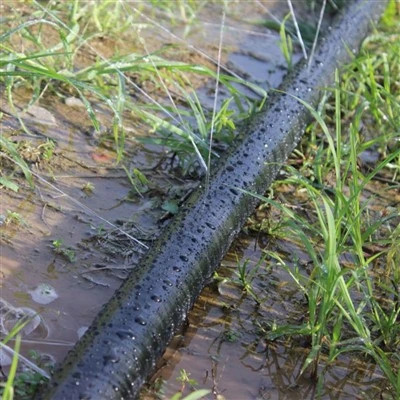

Hey there! As a perforated tape supplier, I've seen firsthand how important proper labeling is. It's not just about slapping on a sticker; it's about making sure that everyone who uses or handles the tape knows exactly what it is, where it came from, and how to use it safely and effectively. So, let's dive into how you can label your perforated tape like a pro.
Why Labeling Matters
Before we get into the nitty - gritty of how to label, let's talk about why it's so crucial. First off, it helps with product identification. When you have a bunch of different types of perforated tape in your inventory, proper labeling makes it easy to find the right one quickly. For example, if you're a landscaper looking for the Orchard Micro Spray Tape for an orchard project, a well - labeled tape will save you time and hassle.
Secondly, labeling is essential for safety. Perforated tapes can be used in various applications, some of which may involve chemicals or high - pressure situations. By clearly stating any safety instructions or warnings on the label, you're protecting the end - users from potential hazards.
Lastly, it enhances your brand image. A professional and well - thought - out label gives the impression that you take your products seriously. It can make your perforated tape stand out in a crowded market, whether you're selling Sprinkler Tape or Micro Sprinkler Tape.
What to Include on the Label
Product Name and Model
The most obvious thing to put on the label is the product name. For example, if you're selling Wholesale PE Spray Hose, make sure it's clearly written. If there are different models or variations of the tape, mention the model number as well. This helps in avoiding any confusion when ordering or using the product.
Dimensions
You need to specify the dimensions of the perforated tape. This includes the width, length, and the size of the perforations. Knowing these details is crucial for customers who need to ensure that the tape fits their specific needs. For instance, if you're using the tape for drip irrigation in Farmland Micro Spray Hose, the size of the perforations will determine the water flow rate.
Material Information
Let the customers know what the tape is made of. If it's a polyethylene (PE) tape, state it clearly. Different materials have different properties, such as durability, flexibility, and resistance to chemicals. By providing this information, you're helping the end - users make an informed decision.
Usage Instructions
Include detailed usage instructions on the label. Explain how to install the tape, what kind of pressure it can withstand, and any special considerations. For example, some perforated tapes may need to be installed in a certain direction or at a specific depth. These instructions can prevent improper use and potential damage to the tape or the system it's a part of.
Safety Warnings
If there are any safety risks associated with the perforated tape, like exposure to chemicals during manufacturing or high - pressure situations during use, make sure to include clear warnings. This could be something like "Wear protective gloves when handling" or "Do not use with pressures exceeding [X] psi."
Batch Number and Date of Manufacture
Adding a batch number and the date of manufacture is important for quality control and traceability. If there are any issues with the tape, such as a defect or a problem with the perforations, you can track back to the specific batch and date it was made. This way, you can take appropriate actions, like offering replacements or investigating the root cause of the problem.


Label Design Considerations
Readability
The label should be easy to read. Use a clear font size and style. Avoid using fancy fonts that may be difficult to decipher, especially if the label is going to be read in different lighting conditions. Also, make sure there is enough contrast between the text and the background.
Durability
Since the tape may be exposed to various environmental conditions, the label should be durable. Choose a label material that can withstand moisture, sunlight, and abrasion. You don't want the label to fade or peel off after a short period of time.
Aesthetics
While functionality is key, aesthetics also play a role. A well - designed label can attract customers and make your product more appealing. Use colors and graphics that are consistent with your brand identity. However, don't go overboard with too many colors or complex designs that may distract from the important information.
Labeling Methods
Printing Directly on the Tape
One option is to print the label directly on the tape. This can be a cost - effective and permanent solution. You can use techniques like flexographic printing, which allows for high - volume production with good quality. However, this method may require some upfront investment in printing equipment.
Using Adhesive Labels
Adhesive labels are another popular choice. They are easy to apply and can be customized quickly. You can print the labels in - house or have them printed by a professional label manufacturer. Just make sure to choose a high - quality adhesive that will stick well to the tape surface.
Laser Engraving
For a more permanent and high - precision labeling method, laser engraving can be used. This is especially useful if you want to create a detailed and long - lasting label. However, it can be more expensive than the other methods, and it may not be suitable for all types of tapes.
Quality Control for Labeling
Once you've labeled your perforated tape, it's important to have a quality control process in place. Check each label for accuracy. Make sure all the information, such as product name, dimensions, and usage instructions, is correct. Also, inspect the label application. There should be no bubbles, wrinkles, or misalignments.
Randomly select samples of the labeled tapes and test the durability of the label. Expose them to different environmental conditions, like high humidity or sunlight, and see how the label holds up. If any issues are found, make the necessary adjustments to your labeling process.
Promote Your Products Through Labeling
Your label can also be a marketing tool. You can add your logo, website, and social media handles to the label. This helps in building brand awareness. Customers who are satisfied with your perforated tape may visit your website to see what other products you offer, like different types of Micro Sprinkler Tape.
Encourage customers to share their experiences using your product on social media by adding a #hashtag on the label. This can generate user - generated content and increase brand visibility.
Let's Connect and Discuss Your Needs
If you're in the market for high - quality perforated tape or have any questions about labeling, I'd love to hear from you. Whether you're a large - scale agricultural business looking for Farmland Micro Spray Hose or a smaller landscaping company in need of Sprinkler Tape, I can provide you with the best solutions tailored to your requirements. Let's start a conversation and see how we can work together to meet your needs.
References
- "Labeling Best Practices for Industrial Products," Industrial Labeling Journal.
- "Material Considerations for Product Labels," Packaging and Labeling Magazine.
- "The Importance of Traceability in Manufacturing," Manufacturing Insights Quarterly.