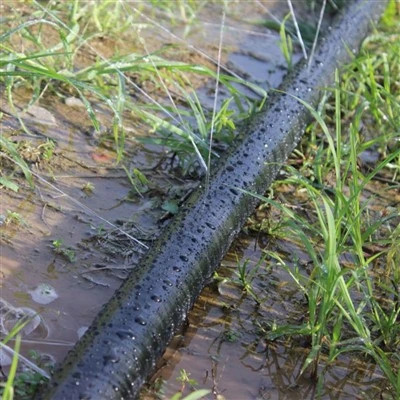

As a seasoned supplier in the field of Irrigation Main Lines, I've witnessed firsthand the detrimental effects of freezing temperatures on these crucial systems. Freezing can cause pipes to crack, joints to leak, and ultimately lead to costly repairs and disruptions in agricultural operations. In this blog post, I'll share some effective strategies to protect your Irrigation Main Line from freezing, ensuring its longevity and efficient performance.
Understanding the Risks of Freezing
Water expands when it freezes, exerting significant pressure on the walls of pipes. This pressure can cause pipes to crack or burst, leading to water leaks and potential damage to surrounding infrastructure. In addition to physical damage, frozen pipes can also disrupt the flow of water, affecting the irrigation process and potentially harming crops.
Choosing the Right Materials
One of the first steps in protecting your Irrigation Main Line from freezing is choosing the right materials. Some materials are more resistant to freezing than others, and selecting the appropriate pipes can significantly reduce the risk of damage. For example, high-density polyethylene (HDPE) pipes are known for their durability and resistance to cold temperatures. You can find a variety of HDPE pipes, such as the HDPE Main Irrigation Hose, which are designed to withstand harsh weather conditions.
Proper Installation Techniques
Proper installation is crucial for the long-term performance of your Irrigation Main Line. When installing the pipes, make sure they are buried at the appropriate depth. In colder climates, pipes should be buried deep enough to be below the frost line, which is the depth at which the ground freezes. This helps to protect the pipes from the extreme cold. Additionally, ensure that the pipes are properly insulated and that all joints are sealed tightly to prevent water from leaking and freezing.
Drainage and Winterization
Before the onset of freezing temperatures, it's essential to drain your Irrigation Main Line to remove any remaining water. Water left in the pipes can freeze and cause damage. To drain the system, open all the valves and allow the water to flow out completely. You may also need to use a compressor to blow out any remaining water from the pipes.
In addition to draining the system, consider winterizing your Irrigation Main Line. This can involve adding insulation to the pipes, wrapping them with heat tape, or using a pipe heater. These measures can help to keep the pipes warm and prevent freezing.
Monitoring and Maintenance
Regular monitoring and maintenance are key to ensuring the proper functioning of your Irrigation Main Line. During the winter months, check the system regularly for signs of freezing or damage. Look for ice buildup on the pipes, leaks, or any other issues. If you notice any problems, address them immediately to prevent further damage.
Using Protective Covers
Another effective way to protect your Irrigation Main Line from freezing is to use protective covers. These covers can help to insulate the pipes and prevent heat loss. You can find a variety of protective covers on the market, including foam insulation sleeves and pipe wraps.
Selecting the Appropriate Size and Type of Hose
The size and type of your Irrigation Main Line hose can also play a role in its resistance to freezing. For example, larger diameter hoses can hold more water, which may increase the risk of freezing. However, they also offer better flow rates. Consider your specific needs and the climate in your area when choosing the right size and type of hose. We offer a range of hoses, such as the 2.5 Inch Main Line Hose, 2 Inch Main Line Hose, and Series 400 Layflat Hose, which are designed to meet different requirements.
Educating Your Staff
If you have a team responsible for managing your Irrigation Main Line, it's important to educate them about the risks of freezing and the proper procedures for protecting the system. Make sure they understand how to drain the system, perform winterization tasks, and monitor for signs of damage.
Conclusion
Protecting your Irrigation Main Line from freezing is essential for maintaining its functionality and preventing costly repairs. By choosing the right materials, installing the system properly, draining and winterizing it, monitoring and maintaining it regularly, using protective covers, selecting the appropriate hose, and educating your staff, you can significantly reduce the risk of freezing and ensure the long-term performance of your irrigation system.
If you're in the market for high-quality Irrigation Main Lines, we invite you to explore our range of products, including the Agriculture Irrigation Main Line Pipe. Our products are designed to meet the highest standards of quality and durability, providing reliable irrigation solutions for your agricultural needs. Contact us today to discuss your requirements and explore how we can help you protect your Irrigation Main Line from freezing.


References
- "Irrigation System Design and Installation Guide" - Agricultural Extension Service
- "Winterizing Your Irrigation System" - Irrigation Association
- "Pipe Materials and Their Properties" - Plumbing and Irrigation Handbook