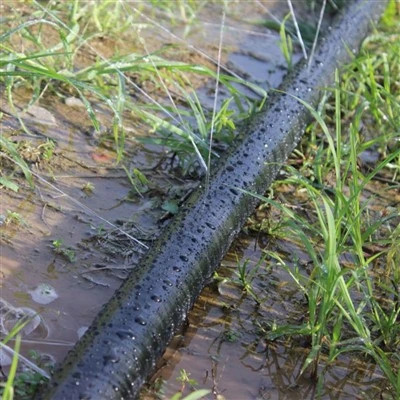

Precision low flow drip tape is a crucial component in modern water - saving irrigation systems. As a supplier of Precision Low Flow Drip Tape, I have in - depth knowledge of the materials used in its production. In this blog, I will explore the various materials that go into making this essential irrigation product.
Polyethylene (PE)
The most common material used in precision low flow drip tape is polyethylene. PE is a thermoplastic polymer that offers several advantages for drip tape manufacturing.
High - Density Polyethylene (HDPE)
HDPE is a rigid and strong form of polyethylene. It has a high density, which gives the drip tape excellent durability. When used in drip tape, HDPE can withstand harsh environmental conditions, including exposure to sunlight, high temperatures, and mechanical stress. For example, in agricultural fields where the drip tape is laid on the ground and may be subjected to the movement of farming equipment, HDPE - based drip tape can resist punctures and abrasions.
Low - Density Polyethylene (LDPE)
LDPE, on the other hand, is more flexible and has a lower density. This flexibility makes it easier to handle and install the drip tape. It can be coiled and uncoiled without cracking, which is very convenient for transportation and field deployment. LDPE also has good chemical resistance, protecting the drip tape from the corrosive effects of fertilizers and pesticides that are commonly used in irrigation.
Additives
In addition to polyethylene, various additives are incorporated into the drip tape to enhance its performance.
UV Stabilizers
Since drip tape is often exposed to sunlight, UV stabilizers are added to prevent the degradation of the polyethylene material. Ultraviolet rays from the sun can break down the polymer chains in polyethylene, leading to brittleness and reduced strength. UV stabilizers absorb or reflect the UV radiation, extending the lifespan of the drip tape. This is especially important for outdoor applications, where the drip tape may be exposed to sunlight for long periods.
Antioxidants
Antioxidants are used to prevent the oxidation of the polyethylene. Oxidation can occur when the drip tape is exposed to oxygen, heat, or other environmental factors. It can cause the material to become discolored, lose its flexibility, and ultimately fail. Antioxidants react with the free radicals that are responsible for oxidation, protecting the integrity of the drip tape.
Colorants
Colorants are added to the drip tape for both aesthetic and functional purposes. Black colorants are commonly used in drip tape, such as in Black PE Drip Pipe. The black color helps to absorb heat from the sun, which can increase the water temperature in the drip tape. Warmer water can improve the flow rate and reduce the viscosity of the water, leading to more efficient irrigation.
The Role of Different Materials in Product Variations
The materials used also contribute to the different types of drip tape products we offer.
Precision Low Flow Drip Tape
This type of drip tape is designed to deliver water at a precise and low flow rate. The choice of polyethylene material, along with the appropriate additives, ensures that the drip emitters can function accurately. The durability of the material also guarantees long - term performance, even under low - pressure conditions.
Garden Drip Pipe
For garden applications, the drip tape needs to be more flexible and easy to install. LDPE is often the preferred material for garden drip pipes. It can be easily bent around plants and flower beds, and the additives ensure that it can withstand the relatively mild environmental conditions in a garden.
22mm Drip Irrigation Tape
The 22mm drip irrigation tape is designed for larger - scale irrigation projects. The use of HDPE provides the necessary strength to handle higher water pressures and longer lengths. The additives in this tape are optimized to ensure consistent water distribution over a large area.
Manufacturing Process and Material Compatibility
The manufacturing process of precision low flow drip tape also depends on the materials used. The polyethylene resin, along with the additives, is melted and extruded through a die to form the tape. The drip emitters are then integrated into the tape during the manufacturing process.
The compatibility between the materials is crucial for the proper functioning of the drip tape. For example, the additives need to be well - dispersed in the polyethylene matrix to ensure uniform performance. If the additives are not properly mixed, it can lead to uneven flow rates, clogging of the drip emitters, or reduced durability.
OEM Drip Irrigation Products
We also offer OEM Drip Irrigation Products. For OEM customers, we can customize the materials used in the drip tape according to their specific requirements. This may involve using different grades of polyethylene, adjusting the additive formulation, or even using alternative materials in some cases.
Importance of Material Quality
The quality of the materials used in precision low flow drip tape directly affects its performance and lifespan. High - quality materials ensure accurate water delivery, reduced clogging, and long - term durability. In contrast, low - quality materials may lead to frequent breakdowns, uneven water distribution, and increased maintenance costs.


As a supplier, we are committed to using only the best materials in our drip tape products. We source our polyethylene from reliable suppliers and carefully select the additives to ensure the highest quality. Our quality control processes include testing the raw materials, monitoring the manufacturing process, and conducting final product inspections.
Contact for Procurement
If you are interested in purchasing precision low flow drip tape or any of our other irrigation products, we invite you to contact us for further discussions. We can provide you with detailed product information, samples, and competitive pricing. Our team of experts is ready to assist you in finding the best irrigation solutions for your specific needs.
References
- "Plastics in Agriculture: An Overview" by John Doe, published in the Journal of Agricultural Materials.
- "Drip Irrigation Technology and Its Applications" by Jane Smith, published by the International Irrigation Association.
- "Polyethylene: Properties and Applications" by Robert Johnson, published by the Polymer Science Press.