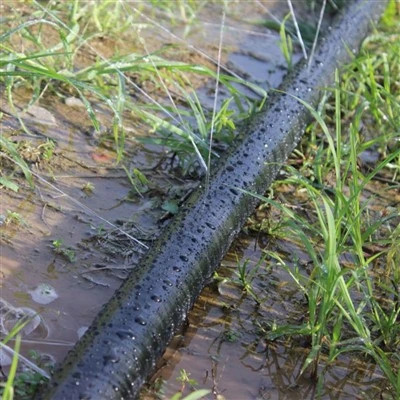

As a supplier of Micro Sprinkler Tape, I've been asked about the role of pressure regulators in a Micro Sprinkler Tape system quite a bit. So, I thought I'd write this blog to share my knowledge and experiences.
Let's start by understanding what a Micro Sprinkler Tape system is. It's a water - saving irrigation solution that distributes water evenly across a field or garden. The tape has small holes or nozzles that spray water in a fine mist. There are different types of micro sprinkler tapes available on our website, like the High Pressure Micro Spray Tape, Vegetable Field Micro Spray Tape, Micro Sprinkler Main Layflat Hose, Garden Micro Spray Irrigation Tape, and PE Micro Sprinkler Tape. Each type is designed for specific applications, but they all rely on a proper water pressure to work effectively.
Maintaining Consistent Water Pressure
One of the most important roles of pressure regulators in a Micro Sprinkler Tape system is to maintain a consistent water pressure. You see, if the water pressure is too high, it can cause a few problems. First off, the tape might burst. The high - pressure water can put too much stress on the tape material, especially if it's a thinner type like the PE Micro Sprinkler Tape. A burst tape means water is wasted, and you'll have to replace the damaged section, which is a hassle and an added cost.
Secondly, high pressure can lead to uneven water distribution. The water might spray out too forcefully from the nozzles, causing it to land in patches rather than being evenly spread. This can result in some areas of the field or garden getting too much water while others get too little. On the other hand, if the water pressure is too low, the water might not reach all the nozzles properly. Some of the holes might not spray at all, or the spray pattern might be weak and not cover the intended area.
A pressure regulator helps to keep the water pressure within the optimal range for the Micro Sprinkler Tape. It adjusts the incoming water pressure to a level that is suitable for the tape's design and the specific irrigation needs. For example, if you're using a High Pressure Micro Spray Tape, the pressure regulator can ensure that the pressure is high enough to make the tape function as intended but not so high that it causes damage.
Protecting the Tape and Equipment
Pressure regulators also play a crucial role in protecting the Micro Sprinkler Tape and other components of the irrigation system. Sudden spikes in water pressure can occur due to various reasons, such as the opening or closing of valves in the main water supply line. These pressure spikes can be very damaging to the tape and other equipment in the system.
The pressure regulator acts as a buffer against these spikes. It senses the changes in pressure and quickly adjusts to maintain a stable pressure. This not only protects the tape from bursting but also extends the lifespan of other components like the connectors and fittings. For instance, if there's a sudden increase in pressure and there's no pressure regulator, the connectors might come loose or even break, leading to water leaks and system failure.
Improving Water Efficiency
Water efficiency is a big deal when it comes to irrigation. A well - regulated Micro Sprinkler Tape system with a pressure regulator can significantly improve water efficiency. By maintaining a consistent pressure, the water is distributed evenly across the area being irrigated. This means that less water is wasted on over - watering certain areas and more water is used effectively to nourish the plants.
For example, in a vegetable field using a Vegetable Field Micro Spray Tape, a pressure regulator ensures that each plant gets the right amount of water. This not only saves water but also helps the plants grow better. When the water is distributed evenly, the roots of the plants can absorb the water more efficiently, leading to healthier and more productive crops.
Adapting to Different Water Sources
In many cases, the water source for a Micro Sprinkler Tape system can vary. It could be a well, a municipal water supply, or a storage tank. Each of these water sources might have different water pressures. A pressure regulator allows the Micro Sprinkler Tape system to adapt to these different water sources.
If you're using water from a well, the pressure might be relatively low. The pressure regulator can boost the pressure to a level that is suitable for the tape. On the other hand, if you're using a municipal water supply, the pressure might be too high. The pressure regulator can reduce the pressure to an appropriate level. This flexibility makes the Micro Sprinkler Tape system more versatile and easier to install in different locations.


Installation and Maintenance
Installing a pressure regulator in a Micro Sprinkler Tape system is not too difficult. It's usually placed near the water source, just before the main supply line to the tape. Most pressure regulators come with clear installation instructions, and if you have any questions, we're here to help.
Maintenance is also relatively straightforward. You just need to check the pressure regulator periodically to make sure it's working properly. Look for any signs of leaks or damage. If you notice any issues, it's best to replace the regulator as soon as possible to avoid problems with the irrigation system.
Conclusion
In conclusion, pressure regulators are an essential part of a Micro Sprinkler Tape system. They maintain consistent water pressure, protect the tape and equipment, improve water efficiency, and allow the system to adapt to different water sources. If you're considering installing a Micro Sprinkler Tape system, I highly recommend including a pressure regulator in your setup.
If you're interested in purchasing our Micro Sprinkler Tape products or have any questions about pressure regulators and how they work with our tapes, don't hesitate to contact us for a procurement discussion. We're here to help you make the best choices for your irrigation needs.
References
- "Irrigation Handbook", published by a leading industry association.
- Various research papers on water - saving irrigation systems.